"Quórum Teológico" es un blog abierto al desarrollo del pensamiento humano y desea ser un medio que contribuya al diálogo y la discusión de los temas expuestos por los diferentes contribuyentes a la misma. "Quórum Teológico", no se hace responsable del contenido de los artículos expuesto y solo es responsabilidad de sus autores.

Ya puedes traducir esta página a cualquier idioma

Déjanos tu mensaje en este Chat

Una sola ciencia


Guillermo Castro H.

El interés por el mundo natural como ámbito del desarrollo de la especie humana es muy antiguo. Valga recordar que cuatro mil años atrás el primer libro del Viejo Testamento – no en balde llamado Génesis -, presenta a ese ámbito como un todo estructurado, resalta al trabajo como medio de relación con el medio natural, y a esa relación como fuente de conflictos ambientales, como el que llevó al agricultor Caín a asesinar al pastor Abel.

            Sin embargo, la formación del ambiente como objeto de estudio se inicia a mediados del siglo XIX. Para ese momento culmina la primera fase del procesamiento de la enorme masa de información y experiencias acumulada por la Europa Noratlántica en el proceso de formación del mercado mundial. Al propio tiempo, se inaugura la ampliación y diversificación del consumo, la creación de nuevas necesidades y el desarrollo de nuevos valores de uso, que estimula “la exploración de la naturaleza entera”, para fomentar el intercambio universal “de los productos de todos los climas y países extranjeros” y “nuevas elaboraciones (artificiales) de los objetos naturales.” [1]

Ese proceso fomentó “el desarrollo al máximo de las ciencias naturales”, a partir de una reorganización de las formas de gestión del conocimiento y la innovación, que segregó en campos separados de las ciencias naturales, las sociales y las Humanidades. De allí vino a desarrollarse un conocer a la vez especializado y fragmentado que, si bien alcanzó a partir de Darwin un marco general de integración de lo conocido sobre el mundo natural, no tuvo el mismo éxito en la indagación de las formas de relación de nuestra especie con ese mundo.

Esas dificultades, por ejemplo, se hicieron sentir en el formidable empeño del biogeoquímico ruso Vladimir Vernadsky (1865-1945) por construir una visión integrada del desarrollo de la vida en la Tierra, y del papel de los humanos en ese proceso, a partir de los conceptos de biosfera y noosfera. Para Vernadsky, enfocar “el estudio de los fenómenos geológicos desde una perspectiva geoquímica y biogeoquímica” permitía “abarcar toda la naturaleza ambiente en el mismo aspecto atómico”. Dentro de ese conjunto, decía, la materia viva -, “existe únicamente en la biosfera”, cuyo desarrollo ocurre mediante “una migración continua de átomos desde la materia inerte hacia la viva, y viceversa”. [2] 

            En ese proceso de desarrollo, Vernadsky resaltaba el carácter indisoluble de las relaciones entre nuestra especie y las leyes que rigen la evolución de la biosfera. En ese marco, para el siglo XX la especie humana había llegado a conocer y abarcar “la biosfera en su totalidad”, y a colonizar “toda su superficie”. Con ello, decía, la Humanidad, “se está convirtiendo en una poderos fuerza geológica, creando un nuevo estado de la biosfera […], la noosfera”, entendida como “la última de las muchas etapas habidas en la evolución de la biosfera en la historia geológica.”

Sin embargo, la reducción de lo humano a lo geológico limitó la eficacia cognitiva de la genial intuición de Vernadsky. En efecto, al ignorar la capacidad nuestra especie para transformar su entorno y a sí misma mediante procesos de trabajo socialmente organizados, obvió un elemento indispensable para comprender el ambiente creado por esos procesos, y la interacción entre nuestra especie y su entorno natural a lo largo del tiempo.

El desarrollo de esa perspectiva de fines del siglo XX en adelante estimuló nuevas lecturas de visiones previas, como la que ofrece el fundador de la filosofía de la praxis en lo que va de sus Manuscritos Económico – Filosóficos de 1844, a su Crítica al Programa de Gotha en 1875, por mencionar ejemplos bien conocidos. En ese proceso de recuperación, el historiador japonés Kohei Saito destaca el papel del concepto de metabolismo sociedad / naturaleza utilizado por Marx.

Para mediados del siglo XIX, explica Saito, el concepto de metabolismo fue utilizado “para describir las transformaciones e intercambios entre sustancias orgánicas e inorgánicas mediante el proceso de producción, consumo y digestión tanto al nivel de los individuos como al de las especies.” Marx, por su parte, le otorgó al metabolismo “un papel central en su economía política, utilizándolo para abarcar la relación dinámica e interactiva entre los humanos y la naturaleza, mediada por el trabajo.”

Al respecto, dice Saito, si bien los seres humanos están condicionados en su vida y desarrollo “por leyes naturales […] son decisivamente diferentes de otros animales debido a su singular actividad productiva, esto es, al trabajo.” Esa diferencia “permite una interacción ‘consciente’ y ‘dotada de propósito’ con el mundo sensible externo”, que otorga a los humanos la capacidad de “transformar ‘libremente’ a la naturaleza”, aun cuando la dependencia respecto a su entorno y sus leyes “siga vigente en la medida en que los humanos no pueden producir ex nihilo sus medios producción y subsistencia”.[3]

Así, ese metabolismo incesante “permea a la historia humana en su totalidad” y, en su devenir, la organización del trabajo “adopta ‘formas’ económicas diversas en cada etapa del desarrollo social”. Con ello, “el contenido del metabolismo transhistórico entre los humanos y la naturaleza varía de manera significativa” a lo largo del tiempo, a partir de las contradicciones que animan el desarrollo de las relaciones de los seres humanos entre sí, y con su entorno natural.

Así, para Saito “la moderna crisis del ecosistema expresa la contradicción […] que resulta por necesidad de la manera específicamente capitalista de organizar los metabolismos social y natural”. A esta crisis corresponden, en el plano cultural, la formación y desarrollo de lo ambiental como objeto de estudio en todos los campos del saber, y la formación de nuevas formas del conocer como la historia ambiental la economía ecológica y la ecología política.

De este modo, la construcción de lo ambiental como objeto de estudio pasa también por re - conocer – y trascender - la historia de la construcción de las formas aún dominantes en el saber contemporáneo, para comprobar cómo y hasta dónde

La Historia misma es una parte real de la Historia Natural, de la conversión de la naturaleza en hombre. Algún día la Ciencia natural se incorporará la Ciencia del hombre, del mismo modo que la Ciencia del hombre se incorporará la Ciencia natural; habrá una sola Ciencia.[4]

Alto Boquete, Panamá, 21 de julio de 2020

[1] Marx, Karl (2007: 360-361): Elementos Fundamentales para la Crítica de la Economía Política (Grundrisse) 1857 – 1858. I. Siglo XXI Editores, México.

[2] Vernadsky, Vladimir (1938): “La transición de la Biosfera a la Noosfera”. www.21stcenturysciencetech.com.
[3] Saito, Kohei (2017: 63, 64): Karl Marx’s Ecosocialism. Capital, nature and the unfinished critique of political economy. Monthly Review Press, New York.

[4] Marx, Karl: Manuscritos Económico – Filosóficos de 1844. https://www.marxists.org/espanol/m-e/1840s/manuscritos/index.htm

--
Visita mis blogs

Dios es nuestro sanador y redentor…


Por: Rev. Pbro. Manning Maxie Suárez +

Aunque no lo queramos, la conversación del momento es la Pandemia del Covid-19.  Recientemente compartía con un amigo mío, la última estadística de los casos del Covid-19 en el mundo y más puntualmente Panamá, su reacción fue casi inmediata al mismo y me posteó, “por favor, no me envíes más nada sobre el tema de la Pandemia, no quiero saber nada sobre eso que estoy saturado de malas noticias” … Yo, inmediatamente dejé de enviarle ese tipo de información cuando de pronto cuál fue mi sorpresa, mi amigo comenzó a enviarme noticias sobre el tema, olvidándose de la petición hecha.  Lo cierto es que, tenemos hoy día, un Panamá más enfermo y con más muertes a causa de la misma.

Debido a ello y otras causas, existe en nuestro país muchas personas en estos momentos sufriendo a causa de la pandemia, pero también sufriendo de muchas otras enfermedades que nos traen dolor y muerte a nuestros hogares.  Los infartos del corazón, las cerebrovasculares y los tumores malignos representan más del 40% del total de los decesos del conjunto de los panameños y estas asociadas a personas de edades avanzadas. Ahora con la nueva realidad estas enfermedades encuentran en el Covid-19 un aliado fuerte que permite que las cifras se disparen y se compliquen las cosas para las personas que sufren alguna de estas u otras enfermedades.

La ciencia y sus hombres y mujeres al servicio de la misma, están haciendo lo mejor de sus capacidades, con una actitud sobrehumana a veces, con mucho o poco éxito. Es aquí, cuando la fatiga del esfuerzo humano decae es cuando abrimos la puerta de la fe y miramos al cielo suplicando la intercepción divina para que aquellos que sufren por estas causas sean levantados de sus camas en un acto de fe. Y la duda nos asalta y exclamamos: ¿Sana Dios Hoy”, ¿Dios podrá Sanarnos?, ¿Cura hoy Dios?

Jesús de Nazareth, que era un hombre lleno de misericordia y de compasión, enseñó a sus seguidores a ser instrumento del amor de Dios, “aquí en la tierra como es en el cielo”, para que fluya el poder del amor de Dios a través de sus acciones para con aquellos que así lo necesitan.  En varias ocasiones, durante los tres años de su ministerio en toda la región de Israel, su testimonio de amor marcó la vida de aquellos que se beneficiaron de sus milagros como de aquellos que fueron testigos. “24 Se hablaba de Jesús en toda la región de Siria, y le traían a cuantos sufrían de diferentes males, enfermedades y dolores, y a los endemoniados, a los epilépticos y a los paralíticos. Y Jesús los sanaba” (Mateo 4,24).

Incomparables milagros se realizaron y se realizan hoy día en la vida de millones de personas en todas partes del mundo donde haya una plegaria que salga de lo más profundo del corazón del ser humano, Dios escucha la súplica de sus hijos.  Así lo experimentó aquel hombre que fue atormentado por un espíritu maligno según el evangelista Marcos (1,21-23), La misma suegra del apóstol Pedro (Mt. 8,14), la sanación de un paralítico por el mismo apóstol Pedro (Hechos 3:1-10). Por otro lado, se dieron muchos milagros y señales como señala el mismo libro en su capítulo cinco versos 12 al 16: “12 Por medio de los apóstoles se hacían muchas señales y milagros entre la gente; y todos se reunían en el Pórtico de Salomón. 13 ninguno de los otros se atrevía a juntarse con ellos, pero la gente los tenía en alta estima. 14 Y aumentó el número de personas, tanto hombres como mujeres, que creyeron en el Señor. 15 Y sacaban los enfermos a las calles, poniéndolos en camas y camillas para que, al pasar Pedro, por lo menos su sombra cayera sobre alguno de ellos. 16 también de los pueblos vecinos a Jerusalén acudía mucha gente trayendo enfermos y personas atormentadas por espíritus impuros; y todos eran sanados”.  Con esa fe en el Resucitado de la muerte pidamos, en este momento en que usted me lee, al Señor por la salud de todos nuestros enfermos en Panamá y en el Mundo entero,

Oremos: Padre Celestial, te pedimos que intervengas hoy para detener la propagación de la Pandemia del coronavirus. Rezamos en el nombre de Jesús para que este virus se reduzca y disminuya de hoy en adelante, y que el número de infectados disminuya rápidamente. Nosotros confiamos en ti, Señor, para que intervengas hoy con tu amoroso cuidado. Señor, en tu misericordia. Escucha nuestra oración. Amén.

Sacerdote.

Python vs. Java: Uses, Performance, Learning

Python vs. Java: Uses, Performance, Learning


Python vs. Java: Uses, Performance, Learning

In the world of computer science, there are many programming languages, and no single
language is superior to another. In other words, each language is best suited to solve
certain problems, and in fact there is often no one best language to choose for a given
programming project. For this reason, it is important for students who wish to develop
software or to solve interesting problems through code to have strong computer science
fundamentals that will apply across any programming language.
Programming languages tend to share certain characteristics in how they function, for example
in the way they deal with memory usage or how heavily they use objects. Students will start
seeing these patterns as they are exposed to more languages. This article will focus primarily
on Python versus Java, which are two of the most widely used programming languages in the
world. While it is hard to measure exactly the rate at which each programming language is
growing, these are two of the most popular programming languages used in industry
today.
One major difference between Python and Java is that Python is dynamically typed, while
Java is statically typed. Loosely, this means that Java is much more strict about how variables
are defined and used in code. As a result, Java tends to be more verbose in its syntax,
which is one of the reasons we recommend learning Python before Java for beginners.
For example, here is how you would create a variable named numbers that holds the numbers 0
through 9 in Python:
numbers = []


for i in range(10):
numbers.append(i)


Here's how you would do the same thing in Java:
ArrayList numbers = new ArrayList();


for (int i = 0; i < 10; i++) {
numbers.add(i);
}
Another major difference is that Java generally runs programs more quickly than Python, as it is
a compiled language. This means that before a program is actually run, the compiler translates
the Java code into machine-level code. By contrast, Python is an interpreted language, meaning
there is no compile step.

Usage and Practicality

Historically, Java has been the more popular language in part due to its lengthy legacy. However,
Python is rapidly gaining ground. According to Github’s State of the Octoberst Report, it has
recently surpassed Java as the most widely used programming language. As per the 2018
developer survey, Python is now the fastest-growing computer programing language.
Both Python and Java have large communities of developers to answer questions on websites like
Stack Overflow. As you can see from Stack Overflow trends, Python surpassed Java in
terms the percentage of questions asked about it on Stack Overflow in 2017. At the time of
writing, about 13% of the questions on Stack Overflow are tagged with Python, while about 8%
are tagged with Java!

Web Development

Python and Java can both be used for backend web development. Typically developers will
use the Django and Flask frameworks for Python and Spring for Java. Python is known for its
code readability, meaning Python code is clean, readable, and concise. Python also has a large,
comprehensive set of modules, packages, and libraries that exist beyond its standard library,
developed by the community of Python enthusiasts. Java has a similar ecosystem, although
perhaps to a lesser extent.

Mobile App Development

In terms of mobile app development, Java dominates the field, as it is the primary langauge
used for building Android apps and games. Thanks to the aforementioned tailored libraries,
developers have the option to write Android apps by leveraging robust frameworks and
development tools built specifically for the operating system. Currently, Python is not used
commonly for mobile development, although there are tools like Kivy and BeeWare that allow you
to write code once and deploy apps across Windows, OS X, iOS, and Android.

Machine Learning and Big Data

Conversely, in the world of machine learning and data science, Python is the most popular
language. Python is often used for big data, scientific computing, and artificial intelligence (A.I.)
projects. The vast majority of data scientists and machine learning programmers opt for
Python over Java while working on projects that involve sentiment analysis. At the same
time, it is important to note that many machine learning programmers may choose to use Java
while they work on projects related to network security, cyber attack prevention, and fraud
detection.

Where to Start

When it comes to learning the foundations of programming, many studies have concluded that
it is easier to learn Python over Java, due to Python's simple and intuitive syntax, as seen in the
earlier example. Java programs often have more boilerplate code - sections of code that have to
be included in many places with little or no alteration - than Python. That being said, there are
some notable advantages to Java, in particular its speed as a compiled language. Learning both
Python and Java will give students exposure to two languages that lay their foundation on
similar computer science concepts, yet differ in educational ways.
Overall, it is clear that both Python and Java are powerful programming languages in practice, and
it would be advisable for any aspiring software developer to learn both languages proficiently.
Programmers should compare Python and Java based on the specific needs of each software
development project, as opposed to simply learning the one language that they prefer. In short,
neither language is superior to another, and programmers should aim to have both in their
coding experience.


Python
Java
Runtime Performance

Winner
Ease of Learning
Winner

Practical Agility
Tie
Tie
Mobile App Development

Winner
Big Data
Winner

This article originally appeared on junilearning.com

8 Reasons Coding for Kids is Not Just Another Fad

8 Reasons Coding for Kids is Not Just Another Fad 


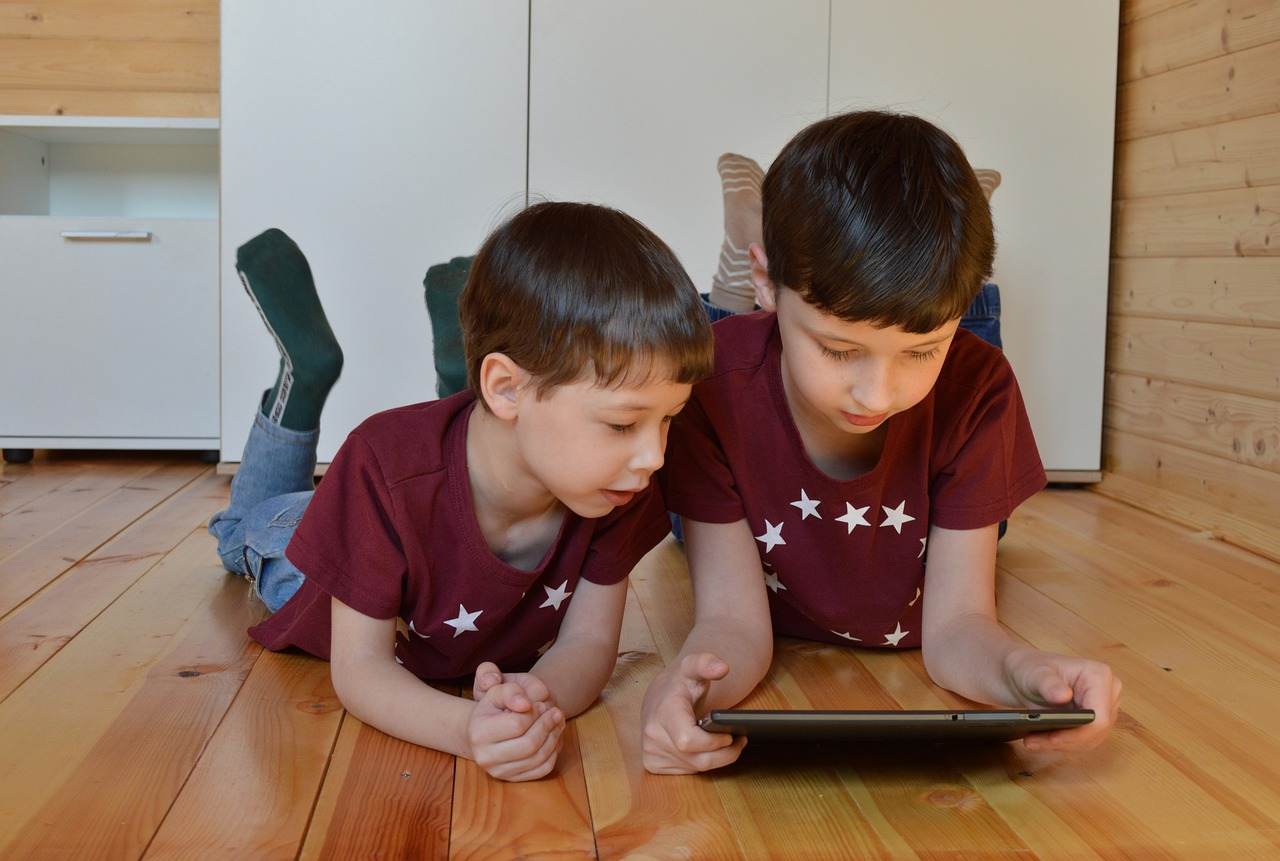
Image Source

Is Coding a Fad?
In short, no. Coding is a field that is growing and changing quickly; there is a world of opportunity for
young students looking to get involved in the tech world. Opponents to this position might argue that
today’s popular languages, like Python, won’t be used ten or fifteen years down the line. So what’s
the use in learning these programming languages?

While it is true that programming will continue to advance, it is important to remember that there is so
much more to learning a coding language like Python than memorizing syntax and applications. When
we teach coding, we teach concepts beyond one particular language. Students gain knowledge about
how computers process and “think” about a given problem, regardless of which language they are
learning. They gain important intuition about fundamental concepts, like basic control structures
(e.g. loops and conditional statements) and algorithms, that will undoubtedly be useful in our highly
technological future. Below are 8 of the many reasons why coding for kids is not just another trendy or
silly fad.


1. Our world is growing more technological
In the 21st century, we have seen enormous developments in the technology industry. The world is
moving in a direction that is both fast-paced and information-centered. Data is quickly becoming one
of the most valuable resources in the global economy, and individuals with digital literacy are becoming
more valued in the labor market. With all of this in mind, it’s hard to ignore the massive role that fields like
data science and software engineering, both largely centered around coding, are going to have. Figures
estimate seemingly outrageous numbers - an estimated fifty billion smart devices are projected to be in use by 2020
- illustrating the abundance of technology in our lives.


With such statistics in our near futures, it is clear to see that industries are changing. The internet is a
hub of information, applications, e-commerce, social networking, and communication platforms, all of
which are designed to increase efficiency, performance, and convenience. As industries become digitized,
new jobs are simultaneously emerging. Coding is an asset that will only continue to grow as we move
forward as an increasingly connected society.


2. It teaches kids to strategize for unique solutions
Computer science is a highly useful tool beyond its direct applications. As there is rarely one right answer
to a given problem, computer science encourages students to create solutions that are unique. For
computer scientists, this means that coders have a great amount of leeway to create their own intuitive
solutions.

Teaching kids how to code pushes young students to actually learn, not just memorize facts and regurgitate
them. It challenges students to critically think about a problem, what they want to accomplish, and how to
get it done. There are plenty of kid-friendly coding languages, such as Scratch, that give young students
the opportunity to build unique projects using coding techniques. Scratch also allows coders to share their
projects with the world. This connectivity can inspire new and aspiring coders to learn from their peers and
guide them through more complicated projects and concepts. This collaborative environment also allows
students to work together and learn from one another. Encouraging kids to utilize these programs not only
teaches them useful skills for computer science, but it also allows them to exercise their creativity.


3. It teaches students to not give up
Most coders will advise, while there is plenty of room for creativity in coding, there is also plenty of room for
error. Learning to code teaches students how not to give up on their solutions, but rather to debug their code,
even when repeated error messages appear. Coders tease out solutions by using their understanding of
computational thinking (see point 6) to isolate any errors and achieve the goal at hand. That code can
always be improved upon motivates coding students to go back and better their solutions, an incredibly
valuable skill set to have in general. Code also instills resilience, yet another invaluable tool in the workplace.
While programming can feel tedious, frustrating, and difficult at times, the process of problem solving inherently
makes for better coders and better students.


4. It can be applied to almost everything that students are learning
Computer science is expanding into every corner of the world, with applications for anything one can
imagine and automated services that are permeating thousands of business models worldwide. On top of
that, programming incorporates many mathematical concepts, and it can complement the concepts students
are learning in their math classes.

Coding also promotes problem-solving, an important skill for any student. Beyond math, students can use
code to support other interests they may have. With coding, young professionals’ career options extend
across industries. By teaching kids how to code, students will find the confidence and tools to explore
aspects of software engineering, data analysis, video game development, and mobile app development
- in just about any industry that they know and love.


5. It is challenging and collaborative
Coding challenges young students to explore new fields. Computer science is a collaborative field, allowing
individuals to work together to complement one another’s skill sets, and write code that is efficient and
intuitive. Students can and often do learn to code in a group setting, so that they can discuss their ideas
and learn from each other’s successes. Learning to code encourages students to work together when they
reach a roadblock. It promotes collaboration via idea exchange and allows students’ to compare and contrast
solutions. Teaching kids about computer programming can be a catalyst for inspiring teamwork and
leadership among students.


6. It teaches students about computational thinking
Whichever languages a student decides to pursue - Python, Java, or any of the long list of popular coding
languages today - will help them develop computational thinking. This means that students will learn how to
effectively break down problems into manageable parts, observe patterns in data, identify how these
patterns are generated, and develop the step-by-step instructions for solving those problems.


Computational thinking and digital literacy are arguably the most important aspect to learning to code at
any age due to the huge technological shift in nearly every industry on the global market (see point 1).
Establishing a foundation in computational thinking will pave the way for future success in and outside
CS related fields. All students can benefit from understanding computational thinking, as it applies to the
technological aspects of daily life.


7. It’s good for the brain
Like any good challenge, coding is an excellent way to strengthen young, developing brains. It encourages
students to combine their knowledge of computational learning and out-of-the-box thinking to strategize
unique solutions.


Multiple studies support the hypothesis that learning to code has real, long term benefits on young children. Researchers have found that individuals who code tend to have reduced odds of getting neurodegenerative diseases in older age. Coders also tend to do better in cognitive tasks, because coding activates areas of the brain that are associated with memory, attention, and logic. Learning to code at an early age supports neural connections in these regions, leading to high performance in other fields, as well.


8. It’s fun!
While we may be slightly biased, computer science is an educational way to bring fun into your children’s
lives! Computer science is one of the few fields of study in which students can see the immediate outcome
of their work as they build out their projects - by running their code, they get instant, live feedback.


Programs like Scratch and Repl.it utilize software that is kid-friendly and permits students to visualize their
projects as they come to life! They can build code that creates a videogame or a website and share their
work with friends. Developing kids’ proficiency with computer science now will lead to a future generation
of coders who have the skill set to advance our world.


This article originally appeared on junilearning.com